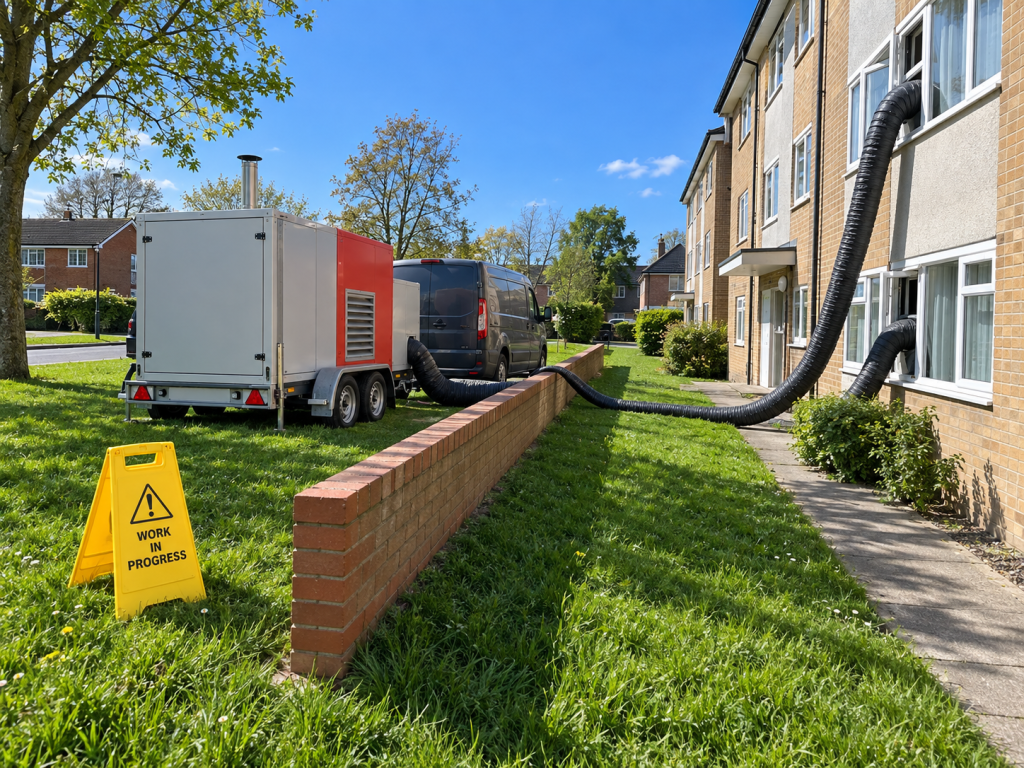
Bed Bug Heat Treatment Preparation
Correct preparation is an important part of a professional bed bug heat treatment.
Thermo-Shield provides clear preparation instructions before every treatment so that the property can be made ready safely without unnecessarily moving belongings or spreading bed bugs into untreated areas.
The exact requirements can vary depending on the property, the extent of the infestation and the equipment being used.
Request a Heat Treatment Quote
Preparing Your Property for Bed Bug Heat Treatment
Bed bug heat treatment involves raising the temperature within the treatment area to carefully controlled levels.
Most normal furniture and household belongings can remain in place, but some items may be unsuitable for elevated temperatures and may need to be removed, protected or treated separately.
Preparation should therefore be carried out methodically.
Do not begin emptying rooms or moving large quantities of belongings before receiving treatment instructions.
Moving untreated items from an infested room can potentially transfer bed bugs into other parts of the property.
What Should Stay in the Treatment Area?
In many cases, furniture and normal room contents should remain within the area being treated.
This may include:
- beds and bed frames
- mattresses
- wardrobes
- bedside furniture
- sofas and chairs
- tables and desks
- normal clothing
- bedding and soft furnishings
- luggage
- many everyday household items
Leaving suitable belongings within the treatment area allows them to be exposed to the treatment conditions rather than being moved elsewhere untreated.
Thermo-Shield will advise if anything needs to be moved before treatment.
Items That May Need to Be Removed
Some materials and products can be affected by elevated temperatures or may present a safety concern.
Depending on the property, these may include:
- aerosols
- pressurised containers
- flammable products
- certain medicines
- heat-sensitive cosmetics
- candles and wax products
- some delicate artwork or collectables
- specialist equipment
- certain electrical or battery-powered items
- plants
- food or products that may be affected by heat
This is not an exhaustive list.
Clients receive specific preparation guidance before treatment so that unsuitable items can be identified in advance.
Do Not Move Infested Belongings to Another Room
One of the most important preparation rules is to avoid spreading the infestation.
Bed bugs can hide within:
- clothing
- bags
- bedding
- furniture
- boxes
- luggage
- personal belongings
Moving these items from an affected room into an untreated area may allow bed bugs to move with them.
Where possible, suitable belongings should remain within the treatment zone until Thermo-Shield has advised otherwise.
Clothing and Bedding
Do not automatically remove all clothing and bedding from the property.
Where laundering is recommended, items should be handled carefully to reduce the risk of spreading bed bugs during transport.
Items may need to be placed directly into sealed bags before being moved.
Thermo-Shield will advise what should remain within the treatment area and what, if anything, should be laundered separately.
Avoid carrying loose bedding, clothing or soft furnishings through unaffected parts of the property.
Furniture
Beds, mattresses, sofas and other furniture will normally remain within the treatment area unless otherwise advised.
Furniture may need to be moved slightly away from walls or opened to improve airflow and access.
Drawers, wardrobes and enclosed furniture may also need to be positioned so that heated air can circulate effectively.
Do not dispose of furniture before treatment unless specifically recommended.
Throwing away beds or mattresses unnecessarily can spread bed bugs through communal areas and may not remove the source of the infestation.
Reduce Excess Clutter
Heavy clutter can restrict airflow and make treatment more difficult.
Where practical, floors and access routes should be kept reasonably clear.
However, this does not mean transferring piles of belongings into another room.
If an affected area contains significant clutter, Thermo-Shield can advise how it should be managed before treatment.
Access to the Treatment Area
The treatment team needs sufficient access to position heating equipment, air-circulation equipment and temperature sensors.
Before treatment:
- access routes should be clear
- affected rooms should be accessible
- unnecessary obstructions should be removed
- relevant keys or access arrangements should be available
- parking and equipment access should be considered
Commercial properties may require additional planning for service entrances, lifts, loading areas or restricted-access parts of the building.
People and Pets
People and pets cannot remain within the active treatment area while heat-treatment equipment is operating.
This includes household pets and other animals.
Thermo-Shield will confirm when occupants need to leave and when normal access can resume.
Aquariums, terrariums or other animal enclosures may require specific arrangements and should be discussed before treatment.
Electronics and Electrical Equipment
Many everyday electrical items can tolerate the temperatures used during professional heat treatment, but not all equipment is suitable.
Specialist electronics, batteries, sensitive equipment or manufacturer-specific items may require additional precautions.
Do not assume that every electrical item can remain within the treatment area.
Thermo-Shield will advise where particular items need to be considered separately.
Fire Alarms and Building Systems
Hotels, HMOs, student accommodation and commercial properties may contain fire detection systems, alarms, sprinklers or other building controls that need to be considered before treatment.
The responsible person for the property should make Thermo-Shield aware of any relevant systems during the assessment stage.
Any temporary changes to building safety systems must be managed appropriately by the responsible parties and restored following treatment.
Commercial Property Preparation
Commercial and multi-occupancy properties often require more coordination than individual homes.
Preparation may involve:
- arranging access to several rooms
- notifying occupants
- identifying adjoining rooms
- coordinating housekeeping or maintenance teams
- managing personal belongings
- arranging temporary room closures
- identifying sensitive equipment
- considering fire and building systems
Thermo-Shield can provide preparation guidance for site managers, landlords and accommodation providers before the treatment date.
Hotels, HMOs and Student Accommodation
Where several occupants are involved, preparation needs to be consistent across all affected areas.
One poorly prepared room can make treatment more difficult.
For multi-room properties, Thermo-Shield may provide preparation instructions that can be distributed to residents, guests, tenants or site staff.
Where necessary, the preparation process can also be discussed directly with the person responsible for managing the property.
What Happens Before Treatment Day?
Before treatment, Thermo-Shield will confirm:
- the areas being treated
- access arrangements
- expected preparation
- items that may need removing
- any special property considerations
- when occupants must leave
- expected treatment timing
If you are unsure about a particular item, ask before removing it.
It is generally better to check than to move a potentially infested object into an untreated area.
On the Day of Treatment
Before equipment is set up, the treatment team may carry out a final check of the property.
If unsuitable items remain within the treatment area or preparation has not been completed sufficiently, additional work may be required before heating can begin.
In some circumstances, significant preparation problems may delay treatment.
Following the preparation guidance beforehand helps the treatment proceed efficiently.
After Treatment
Once treatment conditions have been achieved and the heating equipment has been shut down, the property will be allowed to cool.
Thermo-Shield will advise when normal access can resume.
Additional monitoring or control measures may be recommended depending on the circumstances of the infestation.
Care should also be taken to reduce the risk of bed bugs being reintroduced through luggage, second-hand furniture or movement between infested properties.
Preparation Guidance from Thermo-Shield
Every property is different.
A three-bedroom home, hotel room and large HMO may all require slightly different preparation.
For that reason, this page provides general guidance only.
Clients receive treatment-specific instructions before work begins.
Following those instructions carefully helps create the conditions required for an effective and controlled heat treatment.
Request a Bed Bug Heat Treatment Quote
If you are considering professional bed bug heat treatment, contact Thermo-Shield.
Tell us about the property, the areas affected and your location, and we can explain the treatment and preparation process.